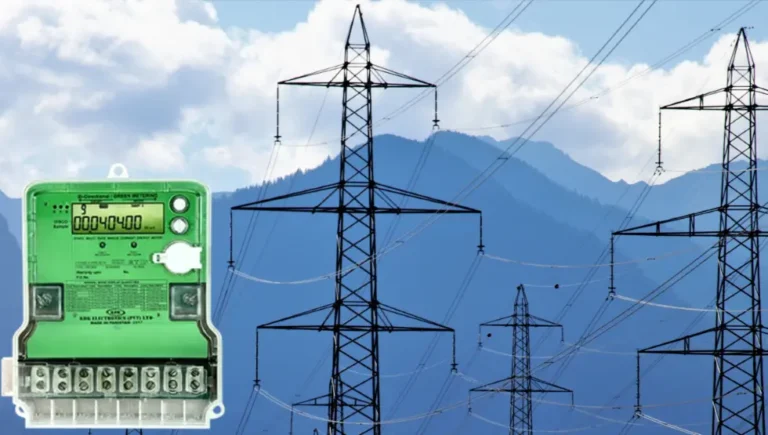
LESCO Lifts ban on Green Meter For Solar installation

LESCO’s latest notification removes the ban on green meters for solar installations. Due to a shortage of new meters, LESCO has decided to issue NOCs to interested individuals. Until October 15, all consumers can install AMI meters instead of green ones.
 
LESCO is transitioning from green meters to AMI (Advanced Meter Infrastructure). The high cost of AMI will impact regular consumers and the industrial sector.
 
On July 1, 2024, LESCO notified newspapers and ordered the installation of AMI for solar energy producers. Issuing NOCs can protect regular consumers and industrialists from overbilling and potentially reduce electricity theft.
 
LESCO imposed a ban on net metering because manufacturers could not meet the demand. LESCO lifted the ban so that people could purchase meters from private manufacturers.
 
In 2015, NEPRA launched the project of a green meter (net metering) to facilitate homeowners’ and industrialists’ selling surplus electricity to the national grid and buying credits in the form of electricity units. So it can be game-changing if utilized properly.
 
An AMI (advanced metering infrastructure) meter has more advantages than a conventional green meter. It is also known as a Smart meter, sometimes called bidirectional. It has strong communication between consumers and electricity providers. There is no need for manual reading; a SIM card is installed in it that provides data to the consumer and LESCO. So consumers can easily calculate their LESCO bill.

We are providing a facility to LESCO consumers to check there electricity bills and get duplicate bill.

One of the disadvantages of this will be the high cost of new meters, which will definitely further increase the burden on consumers who are eager to install AMI, or net metering.

Lahore Electric Supply Company also confirmed that there was heavy load-shedding, and the reason behind it was repair and maintenance work at one of its feeders located at Icon Valley.

FAQ

The green meter installation (net metering) was an initiative of the NEPRA for small business owners and homeowners to install rooftop solar panels, then connect these panels to the national grid to sell the surplus units to Wapda and, in return, get credits in the form of electricity units. Remember! you can use electricity and no amount in the form of cash will be paid to you.

There are only two ways to get a net meter in Pakistan: You have a strong approach in Wapda to getting a net meter installed. Second, you have strong resources to buy it from solar companies.

Net metering provides consumers with cost savings, energy independence, financial incentives, and increased property value. It also provides utilities with load balancing, grid stability, and deferred infrastructure costs. The creation of jobs and local economic growth, reduction of greenhouse gas emissions, promotion of renewable energy, and conservation of natural resources benefit the broader economy.

Due to the high demand for net meters, there is a continuous increase in their usage. Their price ranges from 25,000 rupees to 130,000 rupees.

For residential buying, WAPDA will pay 18.64 PKR per unit, 22.2 PKR per unit for commercial buying, and 11.3 PKR per unit for industrial buying.

You can check the reading by using the following method: The green meter has approximately 32 options to choose from. To view all 32 options, simply click the upper button in the right corner of the meter.
It just gives the status of the meter.
This option shows the current date.
The third option shows the current time.
This option gives the total kilowatt import of electricity units.
This gives details about the total kilowatt export of electricity units.
During peak hours, this option displays kilowatt-hour imports.
During peak hours, this option allows for kilowatt-hour export.
During off-peak hours, the kilowatt-hour import will be visible.
The display will show kilowatt-hour exports during non-peak hours.